

Global environmental challenges continue to pose significant threats to the planet. These challenges often result from human activities, climate change, and scarcity of resources. Dubai, like many rapidly growing urban centers, faces several environmental challenges. Some of the basic environmental challenges are primarily due to its arid climate and limited fresh water resources. Some of the key environmental concerns in Dubai include:
Water Scarcity
Dubai is located in a desert region with limited freshwater resources. The high demand for water, coupled with low rainfall, poses a significant challenge. The city relies heavily on desalination and imported water to meet its needs, contributing to high energy consumption and environmental impacts.
Waste Management
The generation of waste, including construction waste and electronic waste, is a growing concern. Proper waste management and recycling infrastructure are crucial for mitigating environmental impacts and reducing the strain on landfills.
Climate Change
Rising temperatures, changing weather patterns, and the risk of extreme weather events associated with climate change pose challenges for Dubai. The city is vulnerable to the impacts of global climate change, including rising sea levels and increased temperatures.
Energy Consumption
Dubai’s rapid development has led to high energy consumption, primarily from air conditioning and desalination processes. The city has been working on diversifying its energy sources, incorporating renewable energy, and implementing energy efficiency measures to address this challenge.
Urban Heat Island Effect
The extensive use of concrete and asphalt in urban areas contributes to the urban heat island effect, where cities experience higher temperatures than surrounding rural areas. This effect can exacerbate heat-related issues and increase energy demands for cooling.
The city administration recognizes these challenges and has been actively working on various initiatives and strategies to address environmental concerns. These efforts include sustainability programs, the promotion of renewable energy, and the implementation of green building practices to create a more sustainable and resilient city. Another major initiative is forestation to enhance green effect. Forestation in Dubai involves innovative techniques and technologies to overcome these challenges. Some of the foresting techniques in Dubai include:
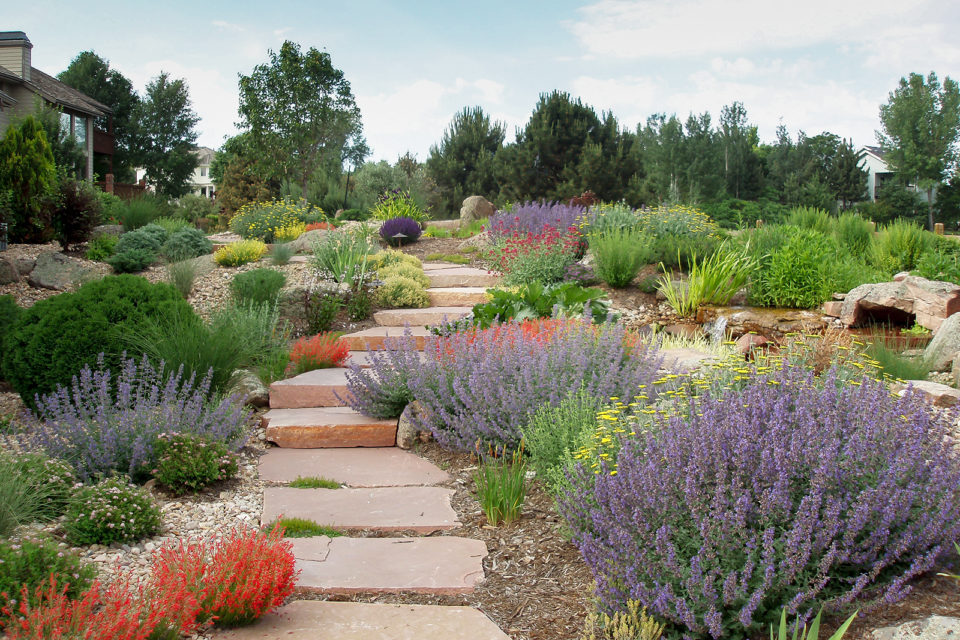
Xeriscaping
Given the arid climate and limited water availability, xeriscaping is a common technique. This involves landscaping with plants that require minimal water. Native and drought-resistant plant species are often chosen for urban green spaces and parks.
Drip Irrigation
To conserve water, precision irrigation methods like drip irrigation are widely used. This technique delivers water directly to the base of plants, minimizing water wastage and ensuring efficient usage.
Vertical Forests
In an effort to maximize green spaces in urban areas with limited land, Dubai has embraced vertical forest designs. These involve incorporating vegetation on the exterior of buildings, which not only enhances the aesthetic appeal but also contributes to air purification.
Hydroponics and Aeroponics
Due to limited arable land and water scarcity, hydroponic and aeroponic systems are used to cultivate plants without soil, relying on nutrient-rich water solutions. These soilless systems can be implemented in controlled environments, allowing for efficient use of water resources.
Afforestation Programs
Dubai has implemented afforestation programs to increase green cover. These initiatives involve planting trees and other vegetation in strategic locations, such as public spaces, parks, and along roadways.
Artificial Intelligence (AI) and Smart Technologies
Dubai is known for incorporating smart technologies into its urban planning. AI is sometimes used to optimize water usage in landscaping by monitoring soil moisture levels and adjusting irrigation accordingly.
Green Building Practices
Sustainable urban development includes incorporating green spaces within buildings and using green roofs and walls. These features contribute to temperature regulation, energy efficiency, and improved air quality.
Environmental Impact Assessments (EIA)
Before undertaking major construction projects, Dubai emphasizes the importance of conducting environmental impact assessments. This ensures that development projects consider the local ecology and incorporate measures to minimize environmental impact.
Community Engagement
Involving the community in tree-planting initiatives and environmental awareness campaigns is crucial. It fosters a sense of ownership and responsibility for maintaining green spaces.
These techniques reflect Dubai’s commitment to sustainable development and environmental conservation despite its challenging climate.